To produce reliable information, controls are built into processes, tested, and improved based on the findings. But is this approach really as systematic and objective as it seems?
Here are a few interesting academic studies that invite you to look at internal controls — and how they’re evaluated — from a different perspective.
-
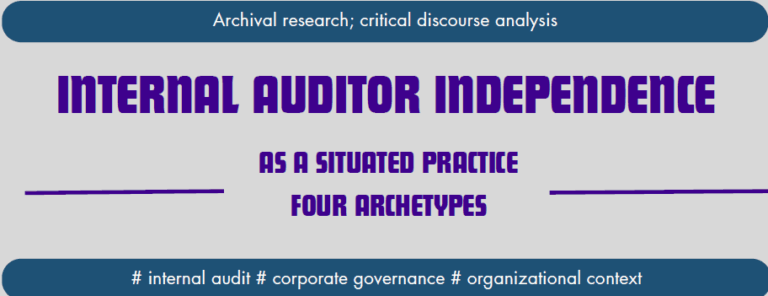
Internal auditor independence: different ways to shape it
How do you organize the independence of the internal audit function? There’s more than one way — each with its own advantages and drawbacks.
-
Riskification: the mindset of internal auditors
In this study, internal auditors reflect on how they deal with findings in their audits. Discover the thought processes behind how they report their results.
-
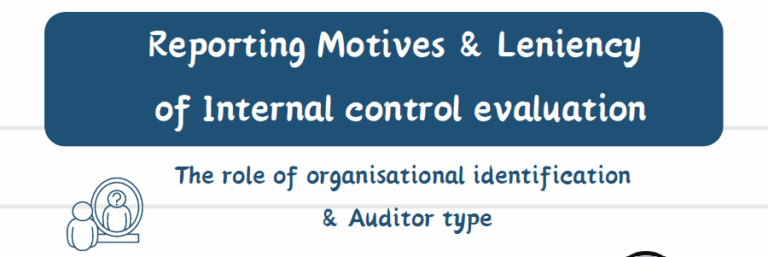
Internal control evaluation: the more distance, the better?
How do auditors judge findings involving internal control breaches — and does it matter whether they are internal or external auditors?